Jenny and William’s antiwar bombings
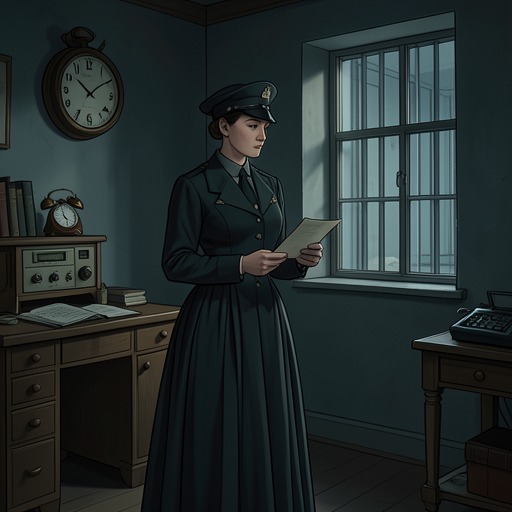
American WomanJenny and William’s antiwar bombings were a deliberate campaign against government targets, chiefly draft offices, conducted at night to protest the Vietnam War while avoiding deaths. The actions expressed their confidence that violence could command attention and that their cause would persuade the people they meant to reach; Jenny’s later reflections expose how narrow that confidence had been, and how abruptly their partnership could be broken by William’s arrest.
Targets and Purpose
Jenny and William bombed several government targets, mostly draft offices, choosing the deep hours of night when they believed no one would be killed. They thought violence could seize attention more effectively than other forms of protest, and regarded their own actions as justified because they were dedicated to saving lives. Their aim was persuasion: they expected even the most resistant, hawkish Americans to recognize the rightness of their campaign against the war.
A Shared Campaign, an Unanticipated Separation
The bombings belonged to a life Jenny and William had built around acting together. As Jenny later recognized, they had discussed what they would do if both were arrested, but never what would happen if only one of them were caught. The distinction had seemed remote because their actions had always been undertaken in tandem. William’s arrest therefore fractured not only their practical partnership but also the shared future they had not prepared to continue separately. He had planned to stop at their rented workshop to retrieve a tool; Jenny was at home preparing dinner and listening to the police band. His arrest seemed to her a freak accident, leaving her to flee and live on without him.
Jenny’s Reassessment
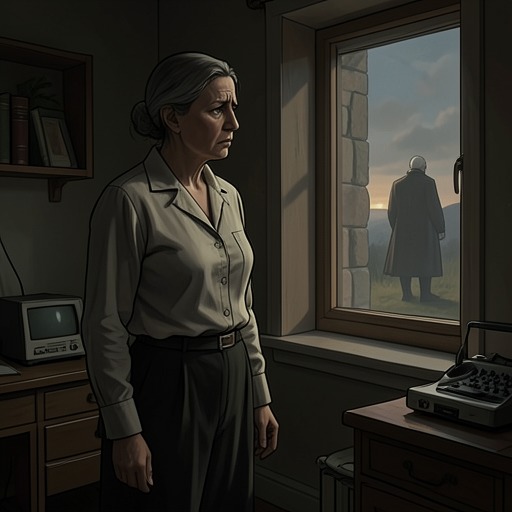
After going underground, Jenny began to question whether she and William had understood the people they meant to persuade. Their experience in the San Francisco Bay Area had surrounded them with like-minded people; even conservatives there, she had thought, held views not so different from their own. At Wildmoor, for the first time, she lived among people from the part of the country they had imagined as their audience. That experience made the gap between their expectation and their limited understanding newly visible: they had acted with confidence about how their message would be received without truly knowing the people they hoped to reach. The bombings thus remain both an expression of their conviction and the beginning of Jenny’s recognition that conviction alone could not tell them what they were confronting.